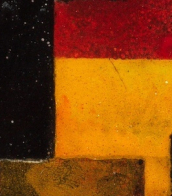
jan kaláb (1978)


Jan Kaláb is a Czech visual artist, whose art features vibrantly colored, abstract designs of organic shapes in various formats, including paintings, sculptures, installations, and street murals.
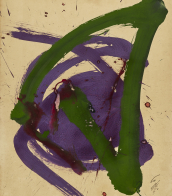
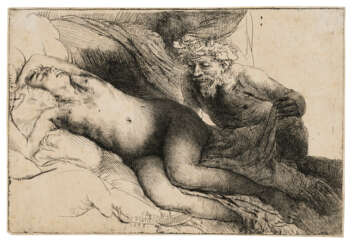


Rembrandt Harmenszoon van Rijn, a Dutch Baroque painter and printmaker, was born on July 15, 1606, in Leiden, Netherlands, and died on October 4, 1669, in Amsterdam. He is celebrated as one of the greatest storytellers in art history, acclaimed for his adept portrayal of human emotions and dramatic narratives. Rembrandt's extensive oeuvre includes portraits, self-portraits, landscapes, genre scenes, allegorical, historical, and biblical themes, as well as animal studies. His artistry shined during the Dutch Golden Age, a period marked by cultural and scientific achievements in the Netherlands.
Rembrandt's education in art began around the age of 10 when he left the Latin School in Leiden to train as an artist. He apprenticed with artists like Jacob van Swanenburg and Pieter Lastman, mastering various aspects of painting. He opened his own studio in Leiden around 1624 or 1625, sharing it with his colleague Jan Lievens. By 1631, he had moved to Amsterdam, where he achieved significant success and trained many important Dutch painters.
Among Rembrandt's notable works are "The Anatomy Lesson of Dr. Nicolaes Tulp" (1632), "The Night Watch" (1642), and "The Syndics of the Amsterdam Drapers’ Guild" (1662). He was also renowned for his self-portraits, creating around 80 over his lifetime, more than any other artist until the 20th century. These self-portraits were not just artistic endeavors but also experiments with facial expressions and lighting effects. Additionally, Rembrandt was a master etcher, transforming etching from a reproductive technique into an art form.
Rembrandt's painting style is characterized by its dramatic use of light and shadow, known as chiaroscuro. His ability to depict materials realistically was unparalleled; his portrayal of metals and fabrics was so lifelike that they appeared to glow and be tangible. He was also known for his impasto technique, applying paint thickly to the canvas, adding a three-dimensional quality to his works.
Despite his artistic prowess, Rembrandt faced financial difficulties and personal tragedies throughout his life. He declared bankruptcy in 1656, a downfall attributed partly to his extensive collection of art objects and curiosities. His masterpieces, however, continued to garner appreciation and influence generations of artists that followed.
For collectors and experts in art and antiques, Rembrandt's works represent a pinnacle of artistic achievement in the Dutch Golden Age. His mastery in portraying the human condition and his innovative techniques in painting and etching make his works highly prized and influential in the art world.
To stay updated on new product sales and auction events related to Rembrandt van Rijn, sign up for our updates. This subscription service is dedicated exclusively to news and events concerning works related to this unparalleled master of the Dutch Golden Age.
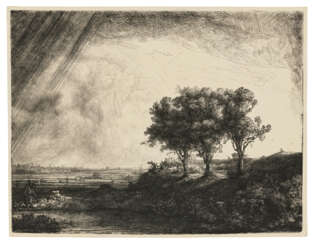

Rembrandt Harmenszoon van Rijn, a Dutch Baroque painter and printmaker, was born on July 15, 1606, in Leiden, Netherlands, and died on October 4, 1669, in Amsterdam. He is celebrated as one of the greatest storytellers in art history, acclaimed for his adept portrayal of human emotions and dramatic narratives. Rembrandt's extensive oeuvre includes portraits, self-portraits, landscapes, genre scenes, allegorical, historical, and biblical themes, as well as animal studies. His artistry shined during the Dutch Golden Age, a period marked by cultural and scientific achievements in the Netherlands.
Rembrandt's education in art began around the age of 10 when he left the Latin School in Leiden to train as an artist. He apprenticed with artists like Jacob van Swanenburg and Pieter Lastman, mastering various aspects of painting. He opened his own studio in Leiden around 1624 or 1625, sharing it with his colleague Jan Lievens. By 1631, he had moved to Amsterdam, where he achieved significant success and trained many important Dutch painters.
Among Rembrandt's notable works are "The Anatomy Lesson of Dr. Nicolaes Tulp" (1632), "The Night Watch" (1642), and "The Syndics of the Amsterdam Drapers’ Guild" (1662). He was also renowned for his self-portraits, creating around 80 over his lifetime, more than any other artist until the 20th century. These self-portraits were not just artistic endeavors but also experiments with facial expressions and lighting effects. Additionally, Rembrandt was a master etcher, transforming etching from a reproductive technique into an art form.
Rembrandt's painting style is characterized by its dramatic use of light and shadow, known as chiaroscuro. His ability to depict materials realistically was unparalleled; his portrayal of metals and fabrics was so lifelike that they appeared to glow and be tangible. He was also known for his impasto technique, applying paint thickly to the canvas, adding a three-dimensional quality to his works.
Despite his artistic prowess, Rembrandt faced financial difficulties and personal tragedies throughout his life. He declared bankruptcy in 1656, a downfall attributed partly to his extensive collection of art objects and curiosities. His masterpieces, however, continued to garner appreciation and influence generations of artists that followed.
For collectors and experts in art and antiques, Rembrandt's works represent a pinnacle of artistic achievement in the Dutch Golden Age. His mastery in portraying the human condition and his innovative techniques in painting and etching make his works highly prized and influential in the art world.
To stay updated on new product sales and auction events related to Rembrandt van Rijn, sign up for our updates. This subscription service is dedicated exclusively to news and events concerning works related to this unparalleled master of the Dutch Golden Age.
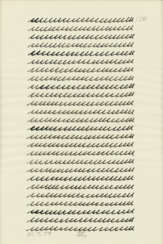

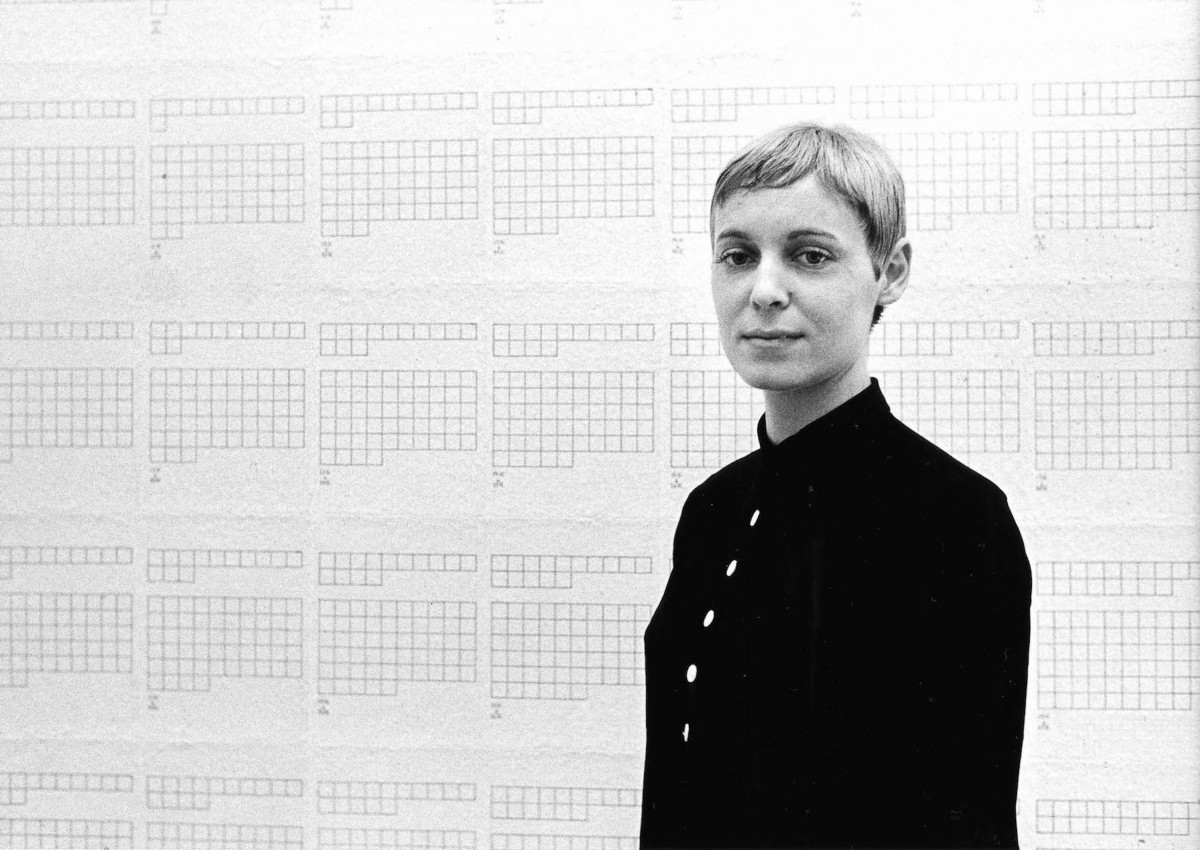
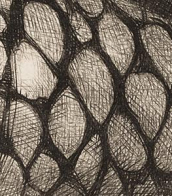
Hanne Darboven was a German conceptual artist known for her large-scale installations, drawings, and writings that explore the intersections of mathematics, language, and time.
Darboven studied at the Hochschule für Bildende Künste in Hamburg. In the 1960s, she became associated with the Conceptual Art movement, creating works that often involved systems of numerical and textual notation.
In the 1970s, Darboven began to produce her signature installations, which combined writing, drawing, and found objects to create immersive environments that explored complex systems of meaning and structure. One of her most famous works is "Kulturgeschichte 1880-1983", a monumental installation consisting of 1,590 framed sheets of paper, each containing a series of numbers, letters, and symbols that chart the course of modern history.
Throughout her career, Darboven continued to explore the relationship between language, numbers, and time, often drawing inspiration from her own life and experiences. She exhibited her work widely in Europe and the United States, and was the subject of numerous retrospectives and solo exhibitions.
Her legacy as a pioneering conceptual artist continues to be recognized and celebrated by the art world today.
.


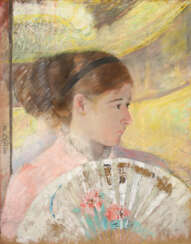

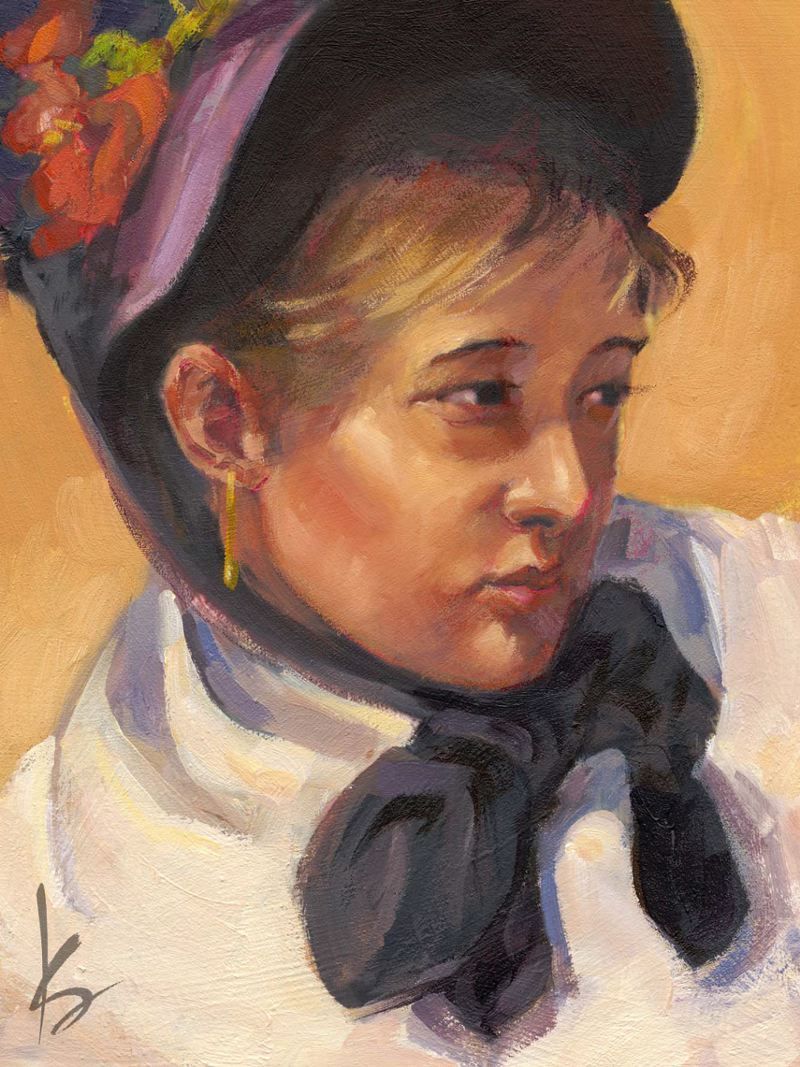
Mary Stevenson Cassatt was an influential American painter and printmaker known for her pivotal role in the Impressionist movement. Born on May 22, 1844, in Allegheny City, Pennsylvania, Cassatt spent much of her adult life in France, where she formed a significant professional relationship with Edgar Degas and exhibited with other Impressionists. Despite her family's initial reluctance, Cassatt pursued art from a young age, attending the Pennsylvania Academy of the Fine Arts at fifteen and later moving to Paris to continue her education under private tutors, including the renowned Jean-Léon Gérôme.
Cassatt's art mainly focused on women and children, encapsulating intimate moments with a profound sense of dignity and depth. Her works, such as "The Boating Party" and "Mother and Child," showcase her skill in portraying the nuanced interactions of everyday life. Cassatt's technique evolved from the light brushstrokes of early Impressionism to a more structured form, emphasizing solid figures and clear contours.
A prominent figure not just in art but also in art advocacy, Cassatt was instrumental in advising American collectors, including the Havemeyers, which helped enrich public and private American art collections significantly. Despite challenges related to her gender and later, her failing eyesight, Cassatt's contributions to art remain influential, reflecting her unique perspective and unyielding dedication to Impressionism.
For updates on exhibitions and sales related to Mary Stevenson Cassatt's works, consider signing up for our newsletter. This subscription will keep you informed about the latest auction events and product sales directly linked to Cassatt's enduring legacy.
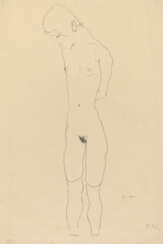

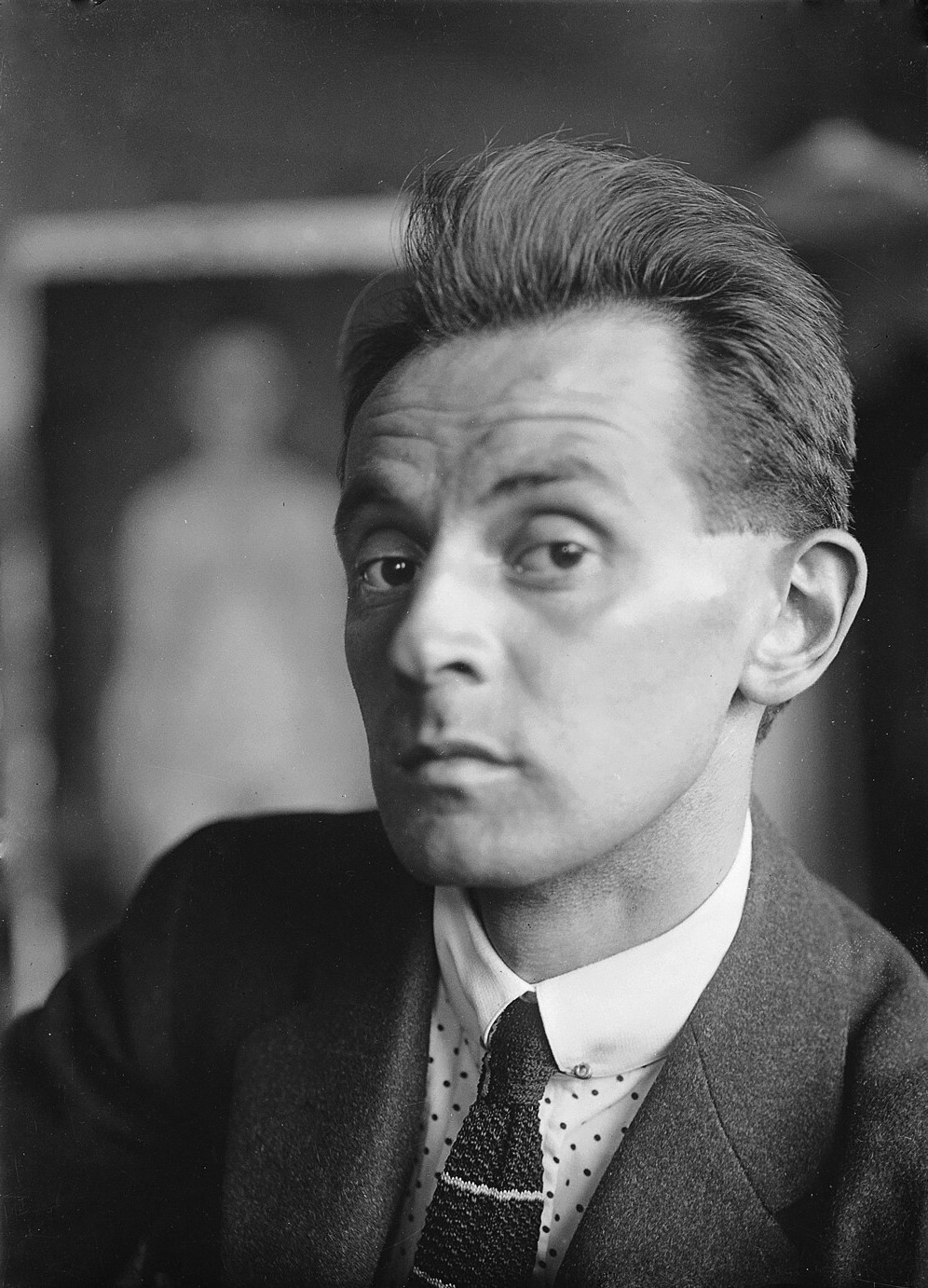
Egon Leo Adolf Ludwig Schiele, an Austrian Expressionist painter, is a figure whose work stands out for its raw intensity and exploration of sexuality, including a remarkable series of self-portraits that often featured nudity. Born in 1890 in Tulln, Lower Austria, Schiele's early life was marked by a fascination with trains and a troubled relationship with his family, especially following his father's death from syphilis when Schiele was just 15 years old. This event propelled him into the care of his uncle, who recognized Schiele's artistic talent despite his lack of interest in traditional academia, leading to Schiele's education at the Vienna Academy of Fine Arts.
Schiele's artistic journey was deeply influenced by his mentor Gustav Klimt, who introduced him to the Vienna Secession and the Wiener Werkstätte, enriching his art with elements of Art Nouveau and paving the way for his distinct style that evolved beyond the influence of his mentor. Schiele's art, characterized by its emotional and sexual honesty, utilized figural distortion to challenge conventional ideals of beauty, making his work groundbreaking for its time.
Throughout his career, Schiele focused on self-portraiture, the human body, and sexuality, often leading to controversy due to the explicit nature of his work. Despite his brief life, cut short by the Spanish flu in 1918 at the age of 28, Schiele's body of work left a lasting impact on the art world. His contributions are celebrated in numerous museums and galleries worldwide, with the Leopold Museum in Vienna housing the most extensive collection of his works, featuring over 43 paintings and 200 watercolors, drawings, and prints. Schiele's work remains influential, offering a stark, introspective look into the human condition and the existential crises of his time.
For collectors and experts in art and antiques, Schiele's work offers a profound exploration of expressionism, culture, and the avant-garde movements of early 20th-century Europe. His legacy is a testament to the power of art to challenge societal norms and to explore the depths of human emotion and sexuality.
To stay informed about new sales, auctions, and exhibitions related to Egon Leo Adolf Ludwig Schiele, consider signing up for updates. This subscription will ensure you're the first to know about opportunities to acquire pieces by this groundbreaking artist, enriching your collection with works that capture the essence of Viennese Modernism.
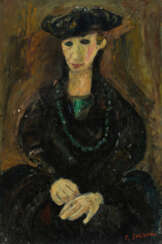

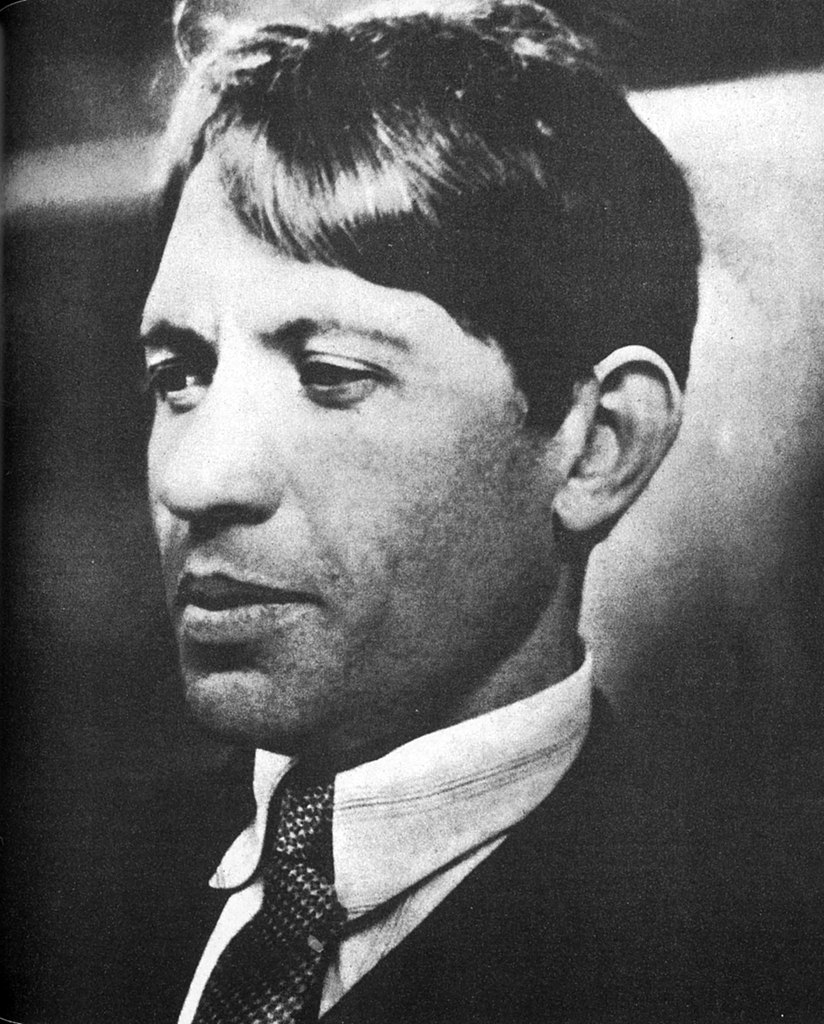
Chaïm Soutine (Russian: Хаим Соломонович Сутин), a Russian-born French painter, left an indelible mark on the world of art with his expressionist works that radiate emotional intensity and bold coloration. Born in 1893 in a small village in what is now Belarus, Soutine grew up in a Jewish family, the tenth of eleven children. His journey to Paris marked the beginning of a significant chapter in his life, where he would eventually become a central figure in the School of Paris, a movement that defined the city's artistic landscape in the early 20th century.
Soutine's artistry is characterized by its raw emotional power, often conveyed through distorted forms and vigorous brushwork. This unique style reflects not only his personal struggles and the hardships he faced as an immigrant artist but also his deep admiration for the Old Masters, particularly Rembrandt, whose influence is evident in Soutine's thematic choices and technique. His work spans a range of subjects, from landscapes and portraits to still lifes, each imbued with a sense of vitality and movement that is distinctly Soutine's.
One of the most compelling aspects of Soutine's oeuvre is his series of carcass paintings, notably inspired by Rembrandt's "Slaughtered Ox." These works, particularly "Carcass of Beef," showcase his fascination with the theme of decay and the beauty he found within it, despite the controversy such subjects provoked among his contemporaries. This series exemplifies Soutine's ability to transform a potentially repulsive subject into a profound exploration of color and form.
Soutine's legacy is also marked by his tumultuous life, including his struggles with poverty and persecution during World War II due to his Jewish heritage. Despite these challenges, his work gained recognition and support from influential art dealers and collectors, such as Albert C. Barnes, who purchased a significant number of his paintings in a single encounter, providing Soutine with financial stability and public exposure.
Today, Soutine's works are celebrated in major museums and galleries around the world, testament to his enduring influence on subsequent generations of artists. His paintings, characterized by their emotional depth and innovative use of color and form, continue to captivate art lovers and collectors alike.
For those passionate about the evolution of modern art and the expressionist movement, Soutine's work offers a window into the soul of an artist who transformed personal adversity into profound artistic expression. To stay informed about upcoming sales and auction events featuring Soutine's work, I encourage you to sign up for updates. This subscription is an opportunity to deepen your appreciation for Soutine's contributions to art and culture and to possibly acquire a piece of his legacy for your collection.